I am a software developer specializing in web application development. I manage the entire software lifecycle, from gathering requirements and designing both technical and visual aspects to implementation, testing, and ongoing maintenance. Given the fast-paced nature of the industry, I continuously stay up to date with current trends and expand my knowledge to deliver high-quality and efficient solutions.

My work
The work of a software developer is not just about writing code – it involves a wide range of activities essential for creating a high-quality software solution. The process starts with gathering and analyzing requirements, where understanding the customer’s needs and designing the optimal solution is key. This is followed by the technical design, selecting the right technologies, and in some cases, designing the user interface. Coding is just one part of the entire cycle, followed by testing, deployment to the customer, and documentation. Development doesn’t end after delivery – ongoing maintenance, updates, and user support are also crucial.
When developing software, I always start by thoroughly understanding the needs of customers and users. I gather requirements, discuss options, and look for the best solution. Then, I analyze them, verify what is technically feasible, and consider potential risks. This way, we have a clear plan from the start, saving time and avoiding complications during development. A solid analysis helps me create functional and efficient solutions that truly meet user needs.
The technical design of software is a key phase in which I select the appropriate technologies and define the system architecture. Based on project requirements, I evaluate programming languages, frameworks, databases, and other tools to ensure the final solution is efficient, scalable, and easy to maintain. Another important factor is the expected number of users and the infrastructure where the system will be deployed. The goal is to create a robust and well-structured system that meets both technical and user requirements.
The graphic design of software defines what the end user sees and how pleasant and efficient their interaction with the system is. I focus on creating a clear, intuitive, and modern design that enables users to navigate and operate the system easily and effectively. For design, I primarily use Figma, which allows me to deliver a prototype of the application even before the implementation begins. Another important aspect is responsiveness and optimization for different devices to ensure a smooth user experience across all platforms.
Software implementation is the phase where the technical design transforms into a real application. During development, I focus on writing clean and well-documented code that is maintainable and scalable. I use modern technologies and proven practices such as version control, modular architecture, and automated testing to ensure the reliability and quality of the final solution. Even during implementation, I follow a modern approach by delivering the product in stages and regularly consulting with the client to ensure that the development stays aligned with their expectations.
The handover and deployment of the system is the final phase of development, during which the software is made available to users. To ensure a smooth deployment, I often use containerization with Docker, which allows for easy distribution and operation of the application across different environments. As part of the handover, I provide complete documentation, including a technical system description, deployment and maintenance guidelines, and a user manual. After deployment, I conduct final testing to ensure the system operates correctly in the production environment. If needed, I also provide support and training to help users quickly adapt to the system.
My projects
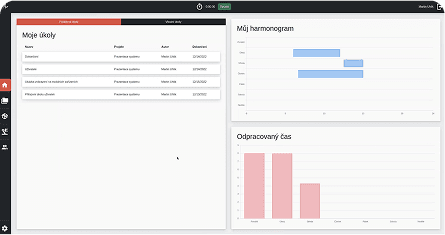
A project management system that enables efficient workforce planning. It allows assigning employees and machines to specific tasks and setting their execution times. A key advantage is the visualization of task dependencies using a graph, making planning and coordination easier. At the same time, the system is designed to be intuitive and easy to use, even for less technically skilled users.
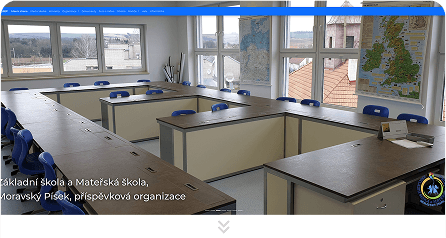
A new website for an elementary school aimed at modernizing an outdated version that was over 10 years old. The new site was designed with a focus on a simple and clear layout, making it easy to use for parents, teachers, and students. A key feature was responsiveness, ensuring a seamless experience on mobile devices. Additionally, the website includes an automatic gallery generation function from uploaded images, making it easier for the school to share photos from events and activities.
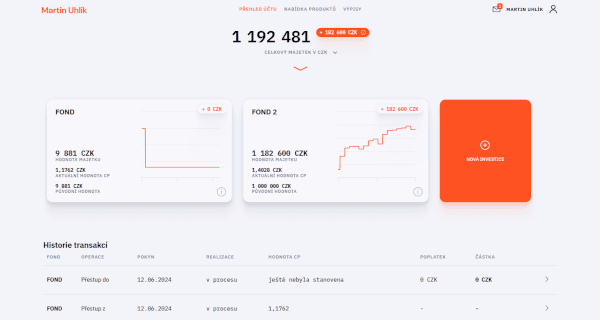
I was part of a team working on an information system for investment companies. I contributed to both the client-facing part of the system and the internal section used by the staff. My role covered a wide range of tasks—from database management and backend implementation to API design, frontend development, and UI design. This diverse involvement allowed me to participate in the entire development process and gain valuable experience with various technologies.
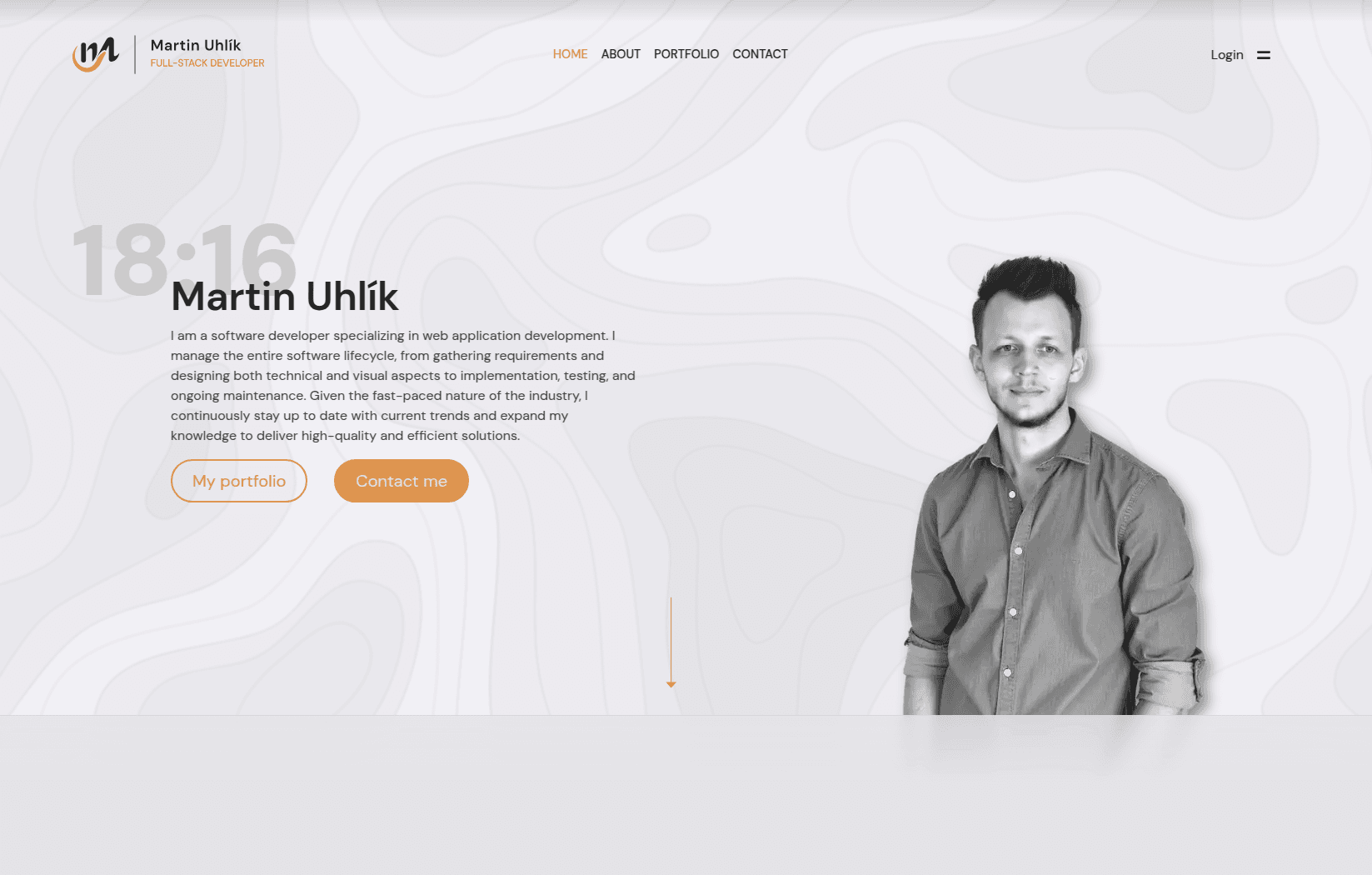
A personal website designed for professional presentation and an interactive showcase of my work. It practically demonstrates my skills—from design to final implementation—and includes a portfolio with an overview of past projects. The website features not only a multilingual localization but also the ability to switch between light and dark modes for an improved user experience.